Structural drying gets treated like an afterthought in most conversations about water damage. Water gets extracted. Fans go in. Fans stay a few days. Everyone assumes the job is done once surfaces feel dry to the touch, which is what that whole picture leaves out. The actual physics of moving water out of materials, out of wall cavities, out of the indoor air itself. Extraction handles the water anyone can see. Drying handles the water no one can. Which matters because a home where the visible water is gone but structural framing still carries elevated moisture is on track to grow mold, degrade materials, and cost several times more to fix six months down the road than it would have cost to dry properly on day one.
Underneath that is a more technical layer. Professional drying doesn’t run on intuition. It runs on measurable science. Psychrometry. Vapor pressure. Materials moisture content. Air movement and how it changes evaporation rate. Dehumidification and its role in clearing water from the space. Temperature adjustments and how they shift drying speed. Monitoring across days instead of judging by touch. Which means a homeowner reading up on water damage restoration after an incident is really trying to make sense of a technical protocol that operates by rules most people never otherwise encounter.
Lafayette-area homes experience water incidents from a variety of sources throughout the year. Frozen pipe failures in winter. The appliance leaks every month. Sump pumps are giving out during snowmelt. Restoration Logistics in Lafayette is one of the Lafayette-area water-damage restoration providers responding to these calls at residential and commercial properties. Nothing here is a recommendation of any specific provider. What’s Ahead walks through the science that drives successful structural drying and explains why understanding it changes the outcome.
Psychrometry: The Physics That Governs Every Job
Psychrometry is the study of the behavior of moist air. Every drying decision runs on psychrometric relationships. The Department of Energy’soverview of moisture control breaks down the core idea. Warm air holds more moisture than cool air. Once air hits its dew point (the temperature at which the moisture it’s holding condenses into saturation), water vapor condenses on whichever cold surface it hits first. Which is why running heat during drying isn’t just a comfort thing. It bumps the air’s capacity to carry moisture, which speeds evaporation off wet materials.
See also: Best Criminal Lawyer Toronto: Protecting Your Rights When It Matters Most
Why Air Movement Matters More Than People Realize
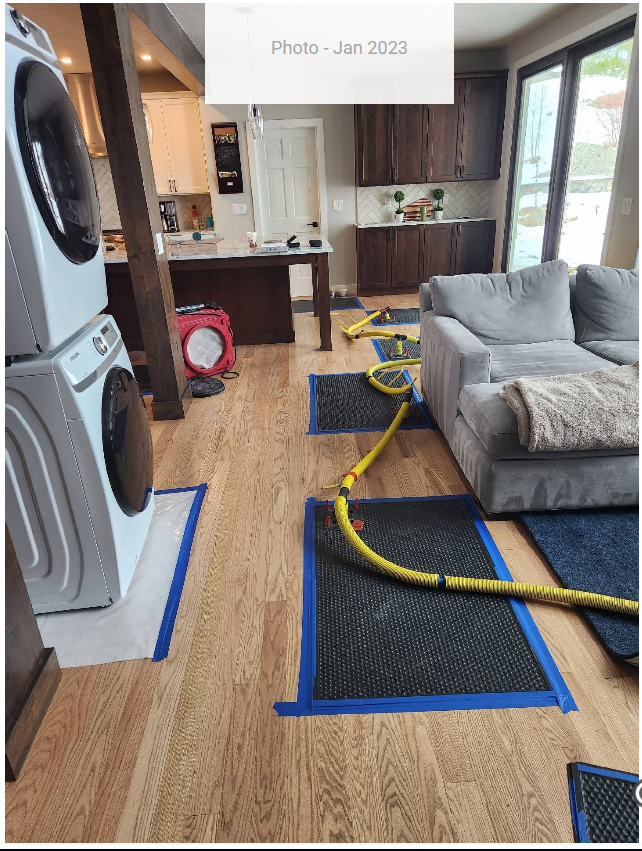
Evaporation happens at the surface of wet materials. Once the air immediately above that surface reaches saturation, evaporation slows or stops outright. Moving air pushes saturated air out and draws in unsaturated air, kicking evaporation back into gear, which is what industrial air movers actually do. They aren’t blowing on wet materials to dry them. They generate airflow that keeps unsaturated air riding along the surface of the material, so where you put them matters. Which direction they face matters. How many are running per room matters.
The Role of Dehumidification in Removing Water From Air
Air movement lifts moisture off wet materials and drops it into the ambient air. If nothing pulls that moisture out of the air, the air saturates quickly and evaporation stalls, which is where commercial dehumidifiers come in. They pull water vapor out of the air and collect it as liquid, holding ambient air below saturation so evaporation off materials keeps rolling. Refrigerant dehumidifiers do well at typical indoor temperatures. Desiccant units handle colder or lower-humidity conditions where refrigerants start to struggle. Which one gets deployed depends on the specific job.
Temperature Control and Drying Rate
Higher temperatures usually speed drying. More energy in the air. Faster evaporation of wet materials. Higher air capacity to hold moisture on the way out. This is the reason professional drying often runs warmer than typical comfort ranges. The catch. Too much heat can damage certain materials (hardwood floors, in particular, react badly). It can also push relative humidity into a range that overloads the dehumidification equipment. Getting the temperature dialed in is more about balance than about pushing heat as high as possible.
Vapor Pressure and Moisture Migration Through Materials
Water inside materials doesn’t just sit. It migrates toward areas of lower moisture. Vapor pressure inside wet drywall is higher than in the surrounding air, so moisture moves outward through the material toward the drier air on the other side. That migration is slower than surface evaporation, but it continues as long as a vapor pressure difference drives it. Which is the reason drying a wall cavity takes days instead of hours, even with strong airflow? Moisture has to physically move through the material before it can evaporate off the surface at all.
Why Mold Forms When Drying Falls Short
CDC/NIOSHguidance on mold and moisture puts the causal chain right in front of you. Excess moisture is generally the major cause of indoor mold growth. Materials that remain above certain moisture thresholds for 24-48 hours begin to support mold colony establishment. Once colonies are established, they stay put even after drying, and they need remediation rather than just more drying. Inadequate drying that gets surfaces to a dry feel but leaves structural framing over 20% moisture content is the exact setup mold needs to establish invisibly and show up as a problem weeks later.
The Lafayette Climate Context
Lafayette’s dry climate actually helps shorten timelines compared to more humid regions. Ambient relative humidity is usually low enough that dehumidification isn’t constantly fighting outdoor conditions upstream. The flip side. Low ambient humidity can mask moisture issues behind a seemingly dry surface. Surfaces dry quickly to the touch, while framing and wall cavities still carry significant moisture. This is why moisture monitoring over multiple days matters, even in a dry-climate market like this one. The visible signals lie. The measurements don’t.