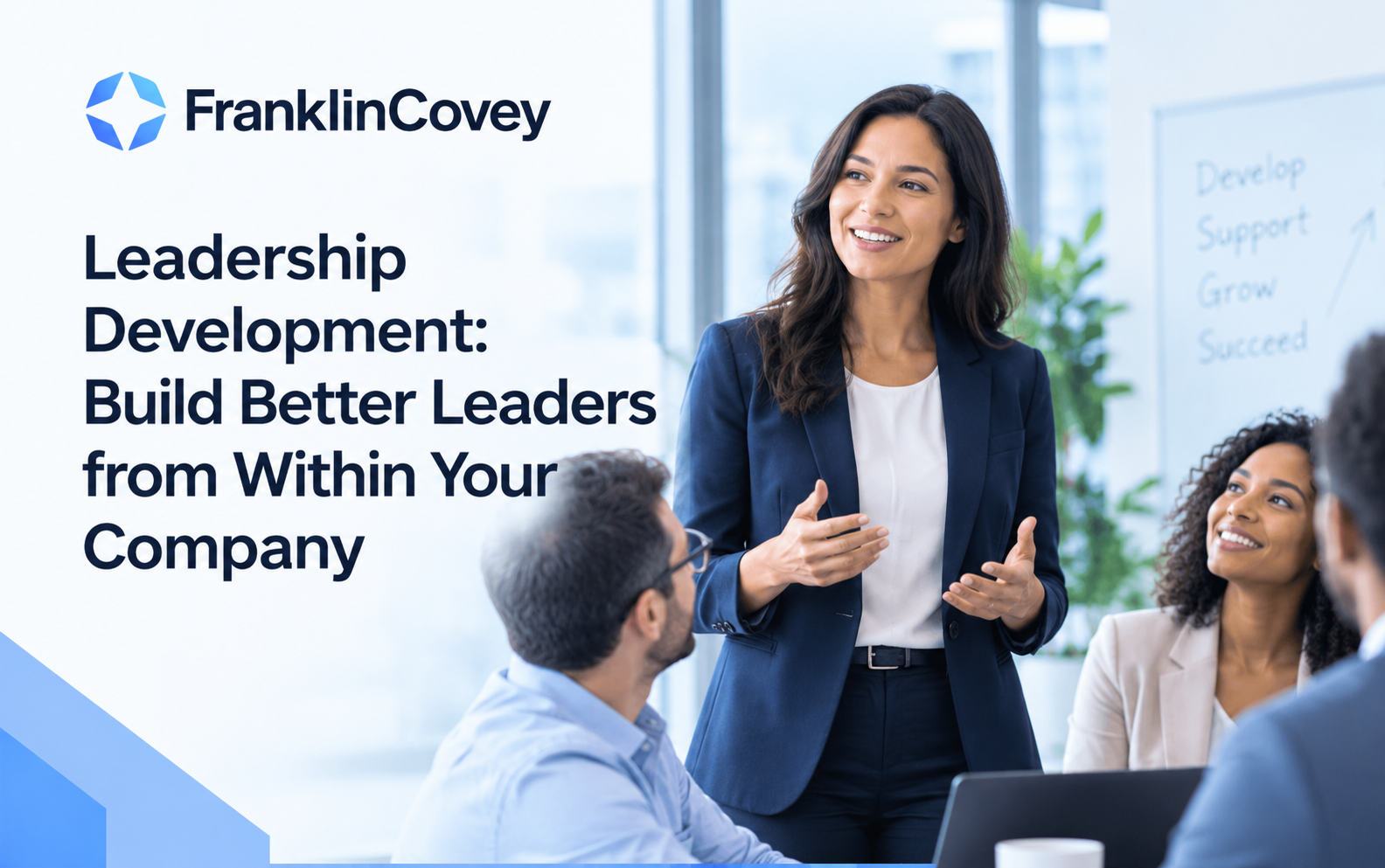
Having clear goals and skilled managers doesn’t ensure success if the employees don’t have the skills to lead. Closing this leadership gap comes from robust development. The idea is that it gets people ready to lead teams, troubleshoot, and be in a bigger position of responsibility.
Instead of waiting for a leadership position to open, businesses can begin preparing future leaders early. It strengthens the talent pool, and offers teams the confidence to embrace changing.
Find the Right Skills for Your Business
Every company faces different challenges. Others require managers who are able to manage remote teams. Some require improved decision making, communication, or conflict management.
Take inventory of existing strengths and course objectives. Enquire of managers about where they need supporting. Collect employee feedback and analysis of team performance. Such steps aid a business in establishing an actual training plan that addresses the real needs.
See also: Textured Epoxy Coated Rebar: Stronger Bonding and Better Corrosion Protection
Turn Training into Daily Practice
It can teach great ideas in classroom sessions, but leaders also need experience to be relevant. Provide employees opportunities to practice at work.
Useful methods include:
- Mentorship: Match newer managers with experienced leaders.
- Job rotation: Giving people the opportunity to change departments and have a more complete view of the business.
- Stretch projects: Put future leaders on work that will help them develop planning and judgment.
- Peer knowledge: Develop sessions wherein managers learn from one another − share lessons and troubleshoot solutions.
This makes leadership development a part of everyday work rather than a one-time event.
Build a Clear Path for Growth
Executives need to have an idea of what is required for their employees to transition into management roles. Clearly state which skills you want students to reach at each level and how progress will be reviewed.
Companies can read more on the best corporate leadership development strategies and have these to shape programs around coaching, pragmatic learning, and measurable goals now. The right approach for a company should be a perfect fit for its size, culture, and long-term objectives.
Measure Progress, Not Just Attendance
You can have a packed training room and real change is not always present. This checks how managers communicate, manage conflict well, and help their teams to achieve the goals.
Ask participants for feedback & review results as a snap shot in time. Learn from it and make the program better.
Final Thoughts
Leadership development is a long game and should be rolled out steadily. Companies that have invested in practical training, mentoring, and clearly defined paths of growth are readying employees for more responsibility. These can be used to help boost teams, nurture staff retention, and aid the future planning of anyone who runs a business.