Water gardens change how a space feels entirely. A still yard becomes something worth sitting beside, worth showing off through every season. The right combination of plants, stone, and moving water does something to the beholder that static landscaping simply cannot replicate. The pump beneath the surface plays a larger role than most people realize.
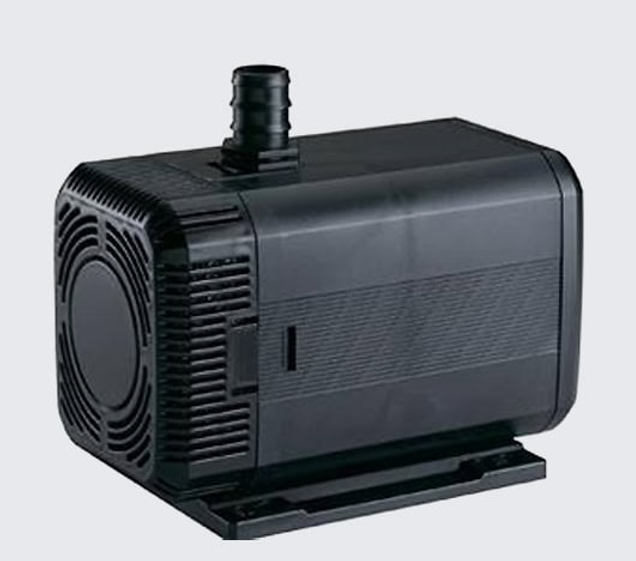
A well-chosen garden fountain pump gives your water feature its rhythm, keeping water in circulation so the surface stays clear and the display holds its shape through every season. Pumps that are underpowered disappoint quickly, leaving water flat and cloudy within weeks. That mismatch often costs more to fix than choosing the right unit from the start.
The Hidden Value Buried in Your Backyard
Property Appeal Beyond the Surface: Water features are not purely meant for decorative purposes. Landscape valuation research consistently points to ponds, fountains, and water gardens as meaningful additions to property appeal, often influencing buyer interest and perceived value before a single conversation between buyer and seller even begins. A well-maintained feature signals care and intention throughout the property.
Curb Appeal That Endures Year Round: Unlike seasonal flowers or carefully manicured hedges, a properly maintained water garden draws attention in every season. Moving water in winter creates a soft steam and quiet reflection. In summer, it becomes a visual anchor for the whole outdoor space and a natural gathering point for anyone spending time outside.
What a Weak Pump Actually Costs You
Stagnant Water Creates Problems Fast: When water sits still for extended periods, it becomes hospitable to algae, mosquitoes, and waterborne bacteria. A pump that cannot maintain adequate hydrodynamic circulation across the full pond volume creates dead zones where these problems concentrate and grow, often far faster than new pond owners anticipate when setting up their feature.
Maintenance Loads Build Relentlessly: Pond owners who install undersized pumps tend to spend considerably more time cleaning filters, treating water, and managing algae than those who matched their pump correctly from the start. That mismatch compounds month after month, creating an ongoing cycle of effort that feels difficult to stay ahead of.
The Mechanics Behind a Beautiful Water Feature
Flow Rate Shapes the Whole Experience: The volume of water a pump moves per hour determines whether a fountain looks genuinely lively or simply listless. Too little flow and the display falls short of expectations. Too much and it overwhelms smaller features, splashing water beyond the basin and wasting energy throughout every day the system runs.
Dissolved Oxygen Supports Everything Living in the Water: Aquatic plants and fish rely on dissolved oxygen levels to stay healthy through every season. A pump that keeps water moving at the correct rate helps maintain those levels naturally, reducing the need for chemical treatments or manual intervention as warmer months create increasingly demanding conditions for pond life.
Choosing the Pump That Matches Your Vision
Key Factors Worth Reviewing Before You Buy: Before selecting a pump, thinking through the specific conditions of your water garden pays off considerably. Several factors shape which unit will actually perform well for your particular setup and intended display:
- Pond volume matters most: Calculate total water volume before comparing pumps, since undersized units struggle with larger ponds while oversized ones disrupt smaller, more delicate features.
- Fountain height affects pump requirements: Every foot of vertical lift reduces effective flow, so the display height you want directly influences the horsepower selection needed.
- Submersible vs. external options: Submersible pumps suit most residential setups, while external models offer easier access for regular maintenance in larger installations.
- Energy ratings shape long-term costs: A pump running continuously accumulates significant energy costs across a year, making efficiency ratings worth reviewing carefully before committing to any purchase.
- Noise levels are often overlooked: Some pumps produce a mechanical hum that travels through water and stone, working against the calm atmosphere a water feature is meant to create.
See also: Why Quantitative Mastery is Essential for Future Market Analysts
Versatility as a Design Tool
Adapting to Every Garden Scale: Pumps with adjustable flow rates give landscape designers real flexibility across different project sizes. A single well-specified unit can serve a compact courtyard fountain or a more expansive pond layout, depending on how flow settings are configured and where the pump is ultimately positioned within the feature.
Supporting Multiple Elements Without Sacrifice: Water gardens rarely exist in isolation from surrounding design choices. Lighting, planting zones, edging, and pathways all interact with the fountain’s output and placement. A pump with the right specifications supports multiple display elements at once, without compromising performance across any part of the feature or the broader landscape.
Where Still Water Becomes Something Worth Watching
A water garden that moves and catches light draws people back time and again. The difference between a neglected feature and a real outdoor centerpiece often comes down to the pump working quietly beneath it. Choosing the right equipment protects that investment for years to come. Browse pump options online to find the right fit for your garden’s size and needs.