Roof damage rarely announces itself loudly in Southern California. The sun and dry air can mask trouble for years, letting small flaws sit undisturbed across countless rooftops. By the time heat warps materials or rain finds an opening, the once minor issue has settled into something far costlier and much harder to ignore.
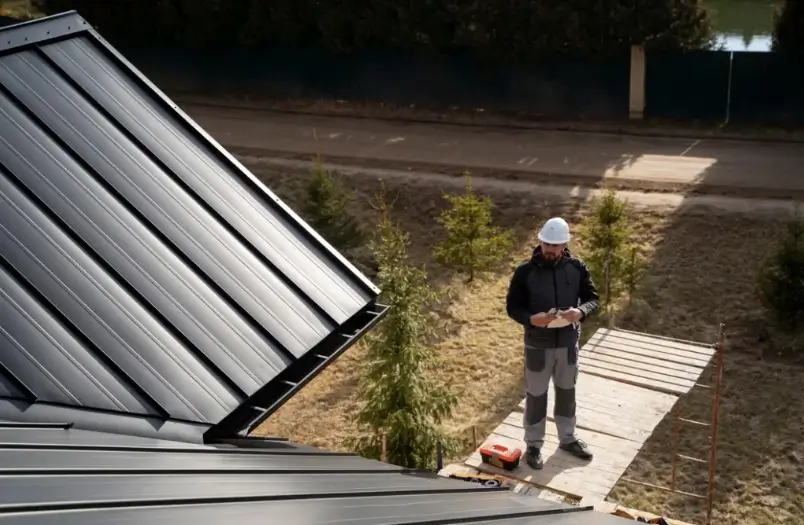
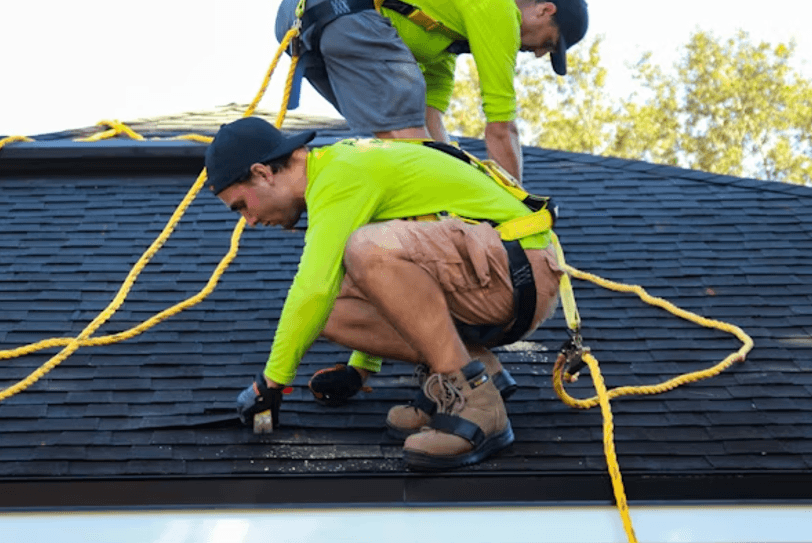
Skilled roofers in Los Angeles bring deep familiarity with the region’s tough climate cycles, helping homeowners catch early warning signs that untrained eyes often overlook during routine checks. Their detailed inspections reveal sun-degraded sealants, weakened tile beddings, and quiet stress points along flashing before these issues spread further. With this kind of expert oversight, property owners gain a clearer path toward smart, timely maintenance choices.
Sunshine Slowly Reshapes Every Roof Above the City
UV Exposure And Material Fatigue: Constant sunlight steadily breaks down asphalt shingles, tile coatings, and rubber membranes on homes across the entire basin. Heat weakens the binding agents holding roofing layers together each year, causing brittleness and tiny surface cracks. Over many seasons this slow drying effect leaves the surface less able to handle sudden weather shifts when they finally arrive.
Heat Stress And Hidden Movement: Roofs across the metro endure repeated thermal expansion as daytime highs push surface temperatures well past air readings each summer afternoon. This swelling and shrinking gradually loosens fasteners, opens seams, and pulls flashing away from chimneys and vents. Tiny gaps form long before any leak ever appears inside the living space below the attic.
The Cumulative Cost Of Sun Exposure: Year after year, the same surfaces absorb thousands of hours of direct radiation that quietly drain protective oils from each layer. Tile coatings fade gradually, metal panels warp slightly, and reflective treatments lose effectiveness over many summers. This buildup of small changes shortens overall roof life expectancy more than any single storm ever could.
Dry Spells Mask Damage in Plain Sight Across the Hills
False Sense Of Security: Long stretches of clear skies convince many residents that their roof is performing fine, since no leaks are visible inside. The absence of dripping water hides slow degradation happening within the deck and surrounding insulation layers. Without scheduled inspections, problems collect quietly until the next downpour or strong heatwave forces them into open view.
Wear That Sits Out Of Sight: A weakened roof underlayment can sit beneath intact-looking shingles for months while moisture from morning fog or sprinkler overspray slowly seeps through unnoticed by the homeowner. Decking softens, fasteners corrode, and minor staining starts forming inside the attic. By the time discoloration shows on a ceiling, the underlying damage has already grown.
Surface Clues That Get Dismissed: Faint streaks, dust patterns, or uneven sun bleaching often look like simple cosmetic flaws to busy homeowners checking from the driveway each morning. Yet these same marks frequently signal early water travel, displaced granules, or compromised flashing edges. A trained inspection turns these small visual hints into clear next steps for protective maintenance.
Warning Signs Worth Catching Before the Next Storm
Early Indicators That Deserve Attention: Small visual changes often reveal more than homeowners expect, especially when checked from ground level using simple binoculars. Discolored patches, lifted edges, or grit in gutters all hint at deeper wear above the eaves. A short walk around the property after sunset can also expose subtle slope changes that signal weakening sections.
A few warning signs that point toward early roof trouble include:
- Granules from shingles collecting near downspouts or pooling along driveway edges.
- Sealant cracks around vent pipes, skylights, or any rooftop equipment installed years earlier.
- Dark streaks running down stucco or siding directly below the gutter line.
- Slightly lifted shingle corners visible from the yard during afternoon light.
- Sagging spots along the ridge line that disrupt the otherwise straight roof profile.
Patterns That Repeat Across Older Properties: Homes built before modern code updates often share predictable trouble spots, especially around roof penetrations and older valley flashings on every elevation. These zones collect debris and dry out faster under intense sun exposure throughout the year. Recognizing these high-risk areas allows property owners to focus their inspections where damage tends to start most often each season.
Why Quick Action Saves Money Later: Catching these clues early often turns a one-day fix into the only repair needed for years going forward. Waiting until water reaches drywall or framing transforms simple patchwork into framing replacement, mold removal, and full ceiling restoration. The gap between minor and major repair costs only grows wider with every postponed inspection.
See also: 12 Kitchen Renovation Ideas That Make Daily Cooking Easier
Smart Habits That Keep Small Issues From Growing
Routine Seasonal Checkups: A scheduled review twice each year, ideally before fall rains and after summer heat, gives homeowners reliable insight into roof condition. This pace allows for adjustments before storms test weak points across the slope. Property owners who maintain this rhythm spend far less on repairs across a roof’s lifespan than those who wait.
Documenting Changes Over Time: Keeping basic records of inspections, photos, and any minor repairs creates a useful timeline for future planning ahead of major work. These detailed notes help during insurance claims, real estate transactions, and contractor consultations down the road. Clear documentation also reveals patterns, showing whether certain areas tend to fail sooner under local weather conditions.
A Roof That Stands Strong Through Every Season
A well-maintained roof protects more than the rooms below. It preserves property value, comfort, and peace of mind during every heatwave and winter storm the region delivers. Homeowners who treat inspections as part of regular upkeep avoid the panic and expense that follow neglected damage. Schedule a professional roof assessment today and stay ahead of the next weather extreme.