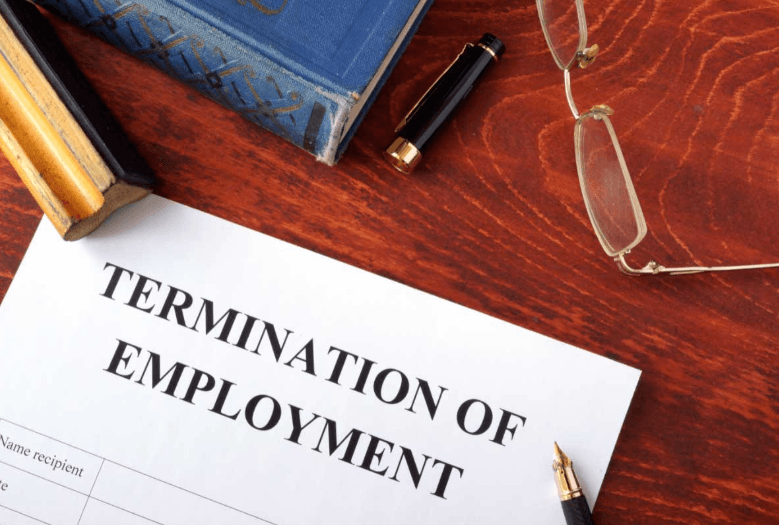
You might be replaying your last day at work in your head. The closed-door meeting. The vague reason. Or no reason at all. Maybe you walked out with a box in your hands and a knot in your stomach, wondering if any of this was even legal or whether you should speak with a Massachusetts wrongful termination attorney.
When a job ends suddenly, it is not just a paycheck that disappears. Your routine changes overnight. Your plans for rent, childcare, health insurance and savings all get shaken at once. On top of that, you might feel blamed, ashamed or blindsided. It is a lot to carry.
If you are in Massachusetts or Connecticut, you may be asking a very specific question. Was this just unfair, or was it unlawful? This is where wrongful termination claims in Massachusetts and Connecticut come in. In simple terms, the law does not protect you from every unfair decision, but it does protect you from being fired for illegal reasons, and it gives you options if that line has been crossed.
Here is the short version. Both states are “at will” employment states, which means most employers can end your job at any time. However, they cannot fire you because of your race, gender, disability, age, or other protected traits. They cannot fire you for complaining about discrimination or harassment. They cannot fire you for asserting wage rights or reporting safety issues. If they do, you may have a strong basis for a wrongful termination case, and an experienced employment lawyer can help you sort through what happened and what to do next.
What Makes A Firing “Wrongful” In Massachusetts And Connecticut?
You may be thinking, “My firing felt wrong, but is that the same as wrongful termination?” That distinction matters. The law focuses less on whether your boss was fair, and more on whether your rights were violated.
Both Massachusetts and Connecticut follow the at will rule. That means an employer can usually let you go with little notice and for many reasons, including personality conflicts, restructuring, or performance concerns. You can quit at any time for any reason as well. Because of this, many people assume they have no legal recourse at all. That is not always true.
A firing may be legally wrongful when it violates specific protections. For example, if you are fired within days of telling your manager you are pregnant, or after asking for medical leave, or right after you report sexual harassment, those facts can point to an unlawful motive. Timing, comments from supervisors, sudden negative reviews, and different treatment compared to coworkers can all become important pieces of the story.
In Massachusetts, state law provides detailed rules on employment termination rights and limits. In Connecticut, wage and hour rules, including protections related to pay complaints, are explained by the Department of Labor’s Wage and Workplace Standards Division. These sources show that while employers have flexibility, they are not free to ignore anti discrimination or retaliation laws.
How Do Discrimination And Retaliation Turn A Firing Into A Legal Claim?
To understand whether your situation might support a wrongful termination case, it helps to look at the two most common legal theories. Discrimination and retaliation.
Discriminatory firing happens when your employer lets you go because of a protected characteristic. This usually includes race, color, national origin, sex, pregnancy, gender identity, sexual orientation, religion, age over 40, disability, and sometimes genetic information or marital status, depending on the state law. Imagine two employees with similar performance, but only the older one is pushed out after comments about “needing younger energy.” That pattern can support a discrimination claim.
Retaliation is different. It focuses on what you did, not who you are. The law encourages workers to speak up about unlawful behavior, so it prohibits employers from punishing you for doing so. This can include reporting discrimination or harassment, asking for unpaid wages, requesting a reasonable disability accommodation, or taking protected leave. For Massachusetts workers, the state explains specific protections against retaliation that may apply if you were fired after asserting your rights.
Consider a few “what if” scenarios. What if you reported that your manager was falsifying time records, and one week later you were suddenly written up for small issues and then fired. What if you requested medical leave that you were legally entitled to, and then your position was “eliminated” while others in similar roles remained. These patterns often raise red flags for an experienced employment lawyer who knows how to spot unlawful motives behind a termination.
So where does that leave you if your story includes both emotional hurt and some of these warning signs. The next step is to sort through which parts are simply unfair, and which may be legally actionable.
Should You Handle A Wrongful Termination Claim Alone Or With An Employment Lawyer?
Many people in your position wrestle with the same question. “Do I try to handle this myself, or do I bring in a professional?” Both paths are possible, but they come with different risks and benefits.
| Approach | What It Looks Like | Potential Benefits | Common Risks |
| Handling it on your own | You file complaints with state or federal agencies, gather documents, and negotiate directly with your former employer. | Lower immediate cost. Full personal control over every step. May work for very simple, clear situations. | Missing deadlines or filing in the wrong place. Undervaluing your claim. Saying things in writing that hurt your case. Overlooking state specific rules in Massachusetts or Connecticut. |
| Working with an employment lawyer | You consult a lawyer who reviews your facts, explains your options, handles filings, and negotiates or litigates on your behalf. | Clear strategy from the start. Higher chance of identifying all legal claims and damages. Less emotional burden on you during a stressful time. | Legal fees or contingency percentages. Need to share sensitive information. Requires trust and communication with your lawyer. |
An employment attorney can also help you understand what outcomes are realistic. In some cases, that might be a settlement payment and a neutral reference. In others, it could involve reinstatement or a larger financial recovery. Without guidance, it is very easy to accept an offer that sounds reasonable in the moment, but does not reflect what the law would allow if your claim is strong.
Three Concrete Steps You Can Take Right Now
You do not need all the answers today. What you do need are a few steady steps that protect you while you sort things out.
1. Preserve every piece of evidence you have
Save emails, texts, performance reviews, policy manuals, schedules, and pay records. If you kept notes about conversations, dates, or comments, keep those too. Do not alter documents, and do not access systems you are no longer authorized to use. Simply gather what you already have in a safe place. In many wrongful termination claims in Massachusetts and Connecticut, timing and written records make the difference.
2. Write out a clear timeline while it is still fresh
Open a document or grab a notebook and list key events in order. When did the problems start. When did you complain or request an accommodation. When did your employer’s behavior toward you change. When were you disciplined, and when were you terminated. Include names of people who were present for important conversations. This timeline will help you, and any employment lawyer you speak with, quickly see patterns that might support a claim.
3. Get a legal opinion before signing anything
If your employer gave you a severance agreement, release, or any paperwork to sign, pause. These documents often ask you to waive your right to sue in exchange for money or benefits. Once you sign, it can be very hard or impossible to undo. Before you agree, talk with a knowledgeable employment lawyer who understands wrongful termination without a location reference and who can explain what rights you are giving up and whether the offer is fair under Massachusetts or Connecticut law.
See also: Best Criminal Lawyer Toronto: Protecting Your Rights When It Matters Most
Moving Forward After A Sudden Job Loss
Being fired unexpectedly can shake your confidence and your sense of safety. It is normal to feel angry one minute and numb the next. You are not overreacting. You are responding to a major loss.
The law cannot undo the shock of what happened, but it can give you a framework and potential remedies when your employer has crossed legal lines. Whether your situation involves discrimination, retaliation, wage issues, or a mix of concerns, you do not have to untangle it alone. An experienced employment lawyer can help you understand your options, protect your rights, and decide on a path that supports both your financial needs and your peace of mind.
You deserve clarity. You deserve to know whether what happened to you was simply harsh business judgment or a violation of state and federal law. Reaching out for legal guidance is not about picking a fight. It is about getting the information and support you need to move forward on steadier ground.