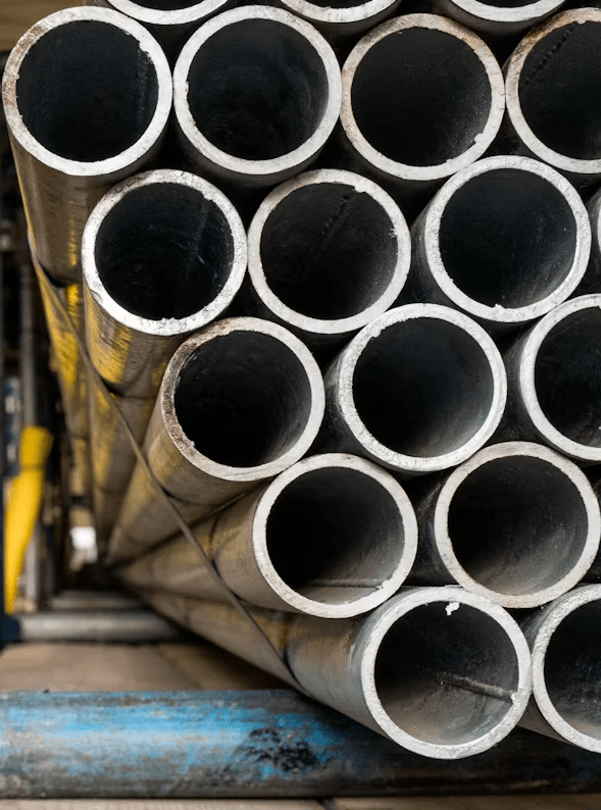
Mechanical systems that operate under pressure and continuous motion demand materials that can endure more than just surface-level exposure. Tubing used in such environments faces constant friction, vibration, and load variation. Over time, weaker materials begin to deform or wear out, creating inefficiencies that quietly increase maintenance costs and reduce operational stability.
Industrial buyers often find that 410 stainless steel tube delivers dependable strength and long-term wear resistance for demanding mechanical systems. This material supports performance where both hardness and corrosion resistance matter, allowing systems to function consistently under pressure. Choosing the right tubing early often prevents costly replacements and unexpected downtime later.
Where Strength Meets Daily Wear
Resistance To Mechanical Fatigue: Mechanical systems experience repeated stress cycles that gradually weaken materials. Tubing made from softer alloys often fails under this pressure, leading to cracks or deformation. 410 stainless steel offers a hardened structure that resists fatigue, helping systems maintain performance even under repeated operational loads over extended periods.
Balance Between Hardness And Corrosion Control: Pure hardness alone does not solve industrial challenges. Exposure to moisture or chemicals still affects long-term durability. This material provides moderate corrosion resistance, which helps reduce surface degradation. That balance ensures components last longer without sacrificing the strength required for mechanical applications.
Built For Motion And Pressure
Suitability For Rotating Components: In systems where shafts and moving parts interact continuously, surface wear becomes unavoidable. Using tubing that cannot handle friction leads to uneven performance. With improved heat treatment processes, 410 stainless steel gains enhanced hardness, making it suitable for rotating assemblies where consistent contact occurs.
Performance Under Internal Pressure: Pumps and valve systems rely on tubing that can handle internal pressure without distortion. Weak tubing expands or fails over time, affecting system efficiency. Using martensitic stainless steel structures like 410 helps maintain dimensional stability, ensuring the system performs as expected even under demanding pressure conditions.
Why Softer Grades Fall Behind
Limitations In High-Stress Environments: Austenitic stainless steels may offer better corrosion resistance, yet they struggle in environments where impact and abrasion are constant. Over time, this mismatch leads to faster wear. For industries dealing with mechanical stress, that trade-off often results in higher operational costs and more frequent replacements.
Cost Of Frequent Material Failure: Replacing worn components repeatedly adds more than just material costs. Downtime, labor, and system inefficiencies begin to stack up. Choosing a stronger tubing option from the start reduces these risks. Many operations realize too late that initial savings disappear quickly when durability is compromised.
Features That Support Long-Term Use
Practical Advantages That Matter Daily: Selecting the right tubing affects performance more than many expect. Industrial users often prioritize features that sustain operations over time rather than short-term benefits.
- High hardness improves resistance to surface wear and mechanical damage.
- Moderate corrosion resistance supports use in controlled environments.
- Good machinability allows easier shaping and finishing processes.
- Heat treatable structure enhances strength for specialized applications.
- Suitable for valves, pumps, and structural components under stress.
Applications That Depend On Consistency
Use In Valve And Pump Systems: Valve assemblies require materials that can handle both pressure and movement without degradation. Tubing that wears unevenly affects sealing and flow control. 410 stainless steel maintains its shape and strength, supporting consistent operation and reducing the likelihood of leakage or failure.
Role In Industrial Machinery: Heavy equipment often operates in demanding conditions where components face constant motion and load. Tubing used in these systems must withstand impact and stress without weakening. This material helps maintain system integrity, allowing machinery to operate efficiently without frequent interruptions or part replacements.
See also: 12 Kitchen Renovation Ideas That Make Daily Cooking Easier
Performance That Supports Smarter Decisions
Reducing Long-Term Operational Risk: Choosing materials based only on initial cost often leads to long-term inefficiencies. Stronger tubing reduces the chances of unexpected failures, which can disrupt operations. Over time, this stability contributes to better planning and fewer emergency repairs that strain both time and resources.
Creating A Competitive Edge Through Durability: Industries that rely on consistent output cannot afford frequent breakdowns. Using materials that maintain structural integrity under pressure provides an advantage. It allows operations to run smoother, reduces maintenance frequency, and supports reliability that clients and stakeholders begin to expect.
Extending Value Beyond Immediate Performance
Long-Term Material Efficiency Gains: Over extended usage cycles, durable tubing reduces the need for constant monitoring and part replacement. This stability supports smoother workflows and allows maintenance teams to focus on planned servicing rather than reactive fixes. In many cases, this shift improves overall productivity and reduces hidden operational stress.
Adaptability Across Industrial Environments: Different industries demand flexibility in material performance. From fluid handling systems to mechanical assemblies, tubing must perform consistently under varying conditions. 410 stainless steel adapts well to such demands, offering reliability across multiple applications without requiring frequent material upgrades or substitutions.
Where Reliability Turns Into Results
Mechanical systems perform best when every component supports durability and consistency. Selecting materials that can handle stress, pressure, and wear without compromise directly impacts performance outcomes. Investing in stronger tubing options leads to fewer failures and better efficiency. Explore high-quality solutions today to ensure systems operate reliably and stay ahead in demanding environments.