In today’s highly competitive digital landscape, a business website is much more than an online brochure. It has become the center of marketing, customer engagement, brand identity, and lead generation. As technology continues to evolve rapidly, businesses that fail to modernize their websites risk losing customers to competitors with faster, smarter, and more engaging digital experiences.
In 2026, modern website design is no longer optional. It is a crucial factor that directly impacts business growth, customer trust, search engine rankings, and online conversions. Whether you run a small local business or a large enterprise, partnering with experienced digital experts like Dalel Sassine Digital can significantly improve your brand visibility, online performance, and long-term success.
First Impressions Matter More Than Ever
When potential customers visit your website, they form an opinion about your business within seconds. A poorly designed or outdated website immediately creates doubt about your professionalism and credibility. On the other hand, a clean, modern, and visually appealing website helps build trust instantly.
Consumers in 2026 expect websites to look polished, load quickly, and function smoothly across all devices. If visitors encounter confusing navigation, slow loading speeds, or outdated layouts, they are likely to leave and visit a competitor instead.
Modern website design focuses on creating a positive user experience from the very first interaction. This includes intuitive navigation, responsive layouts, attractive visuals, and clear calls to action that guide users toward taking the next step.
See also: School Scheduling Technology Is Supporting More Organized Learning
Mobile-First Design Is Essential
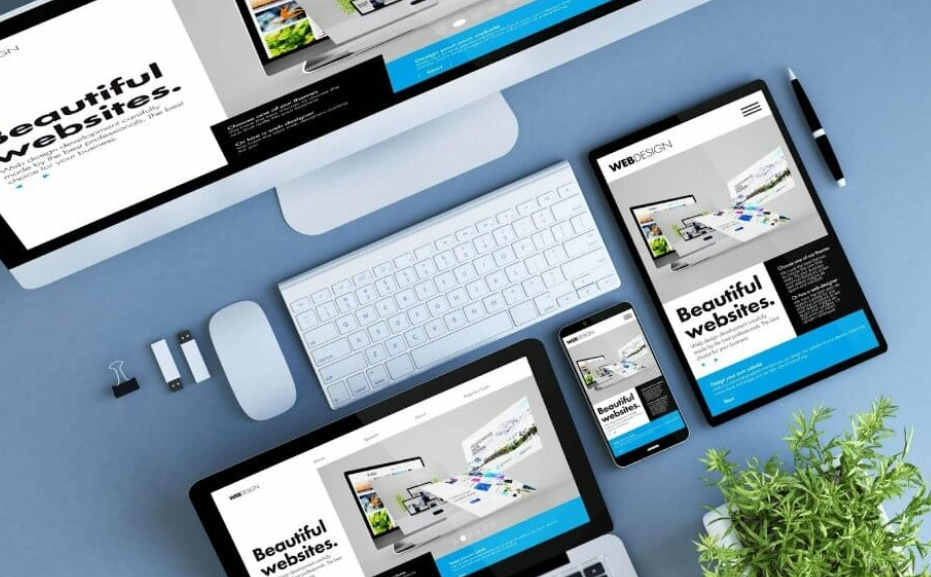
Mobile internet usage continues to dominate worldwide. Most customers now browse websites using smartphones and tablets rather than desktop computers. Businesses that ignore mobile optimization risk losing a large portion of their audience.
Modern website design in 2026 prioritizes mobile-first development. This means websites are built to perform flawlessly on smaller screens while maintaining speed, readability, and usability.
Responsive websites automatically adjust to different screen sizes, ensuring users enjoy a seamless experience regardless of the device they use. Mobile-friendly design also improves search engine rankings because Google prioritizes mobile usability in its algorithms.
Businesses looking to stay competitive often partner with experienced digital agencies like Dalel Sassine Digital to create responsive websites that meet modern user expectations and support long-term business growth.
Website Speed Directly Impacts Revenue
Website speed has become one of the most important ranking and conversion factors. Users expect websites to load almost instantly. Even a few seconds of delay can increase bounce rates and reduce conversions significantly.
Modern website design incorporates optimized images, clean coding practices, advanced caching, and lightweight frameworks to improve loading speed. Faster websites not only create better user experiences but also help businesses rank higher in search engine results.
A fast-loading website can improve customer satisfaction, increase engagement, and encourage visitors to stay longer on your site. This directly contributes to higher sales, better lead generation, and stronger customer retention.
SEO and Website Design Work Together
Search engine optimization and website design are closely connected. A visually attractive website alone is not enough if customers cannot find it online. Modern web design includes SEO-friendly structures that help search engines crawl and index websites more effectively.
Key elements of SEO-focused website design include:
- Mobile responsiveness
- Fast loading speed
- Clean URL structures
- Optimized images
- Proper heading hierarchy
- Easy navigation
- Secure HTTPS protocols
- Structured content formatting
Modern websites are designed with both users and search engines in mind. This balanced approach improves visibility, increases organic traffic, and helps businesses attract qualified leads consistently.
User Experience Drives Customer Engagement
User experience, commonly known as UX, plays a major role in customer satisfaction. Businesses that focus on user-friendly website design create smoother customer journeys that encourage interaction and conversions.
Modern UX design involves understanding how visitors interact with websites and removing obstacles that may prevent them from taking action. Features such as simple navigation menus, clear contact forms, accessible layouts, and engaging visuals improve the overall experience.
When customers can easily find information and complete tasks quickly, they are more likely to trust the business and return in the future.
In 2026, user experience is directly tied to brand reputation. Businesses with frustrating or outdated websites often struggle to maintain customer loyalty in increasingly competitive markets.
Strong Branding Creates Competitive Advantage
A modern website is one of the most powerful tools for brand building. It allows businesses to communicate their values, personality, and professionalism effectively.
Consistent branding elements such as colors, typography, logos, imagery, and messaging help businesses stand out from competitors. Modern website design ensures these elements work together cohesively to create memorable customer experiences.
A professionally designed website also helps businesses appear more credible and authoritative within their industry. This credibility can influence purchasing decisions and encourage customer trust.
Working with digital experts such as Dalel Sassine Digital can help businesses develop websites that align with their branding goals while improving online visibility and customer engagement.
Modern Websites Improve Conversion Rates
The primary goal of most business websites is to generate leads, sales, or inquiries. Modern web design focuses heavily on conversion optimization to maximize these opportunities.
Conversion-focused design includes:
- Clear calls to action
- Simplified contact forms
- Strategic button placement
- Easy checkout processes
- Trust signals and testimonials
- Engaging landing pages
These elements guide users naturally toward completing desired actions, whether it is making a purchase, scheduling a consultation, or filling out a contact form.
Businesses that invest in modern website design often experience improved conversion rates because customers find it easier and more enjoyable to interact with the site.
Security and Trust Are Critical in 2026
Cybersecurity concerns continue to grow, making website security a top priority for businesses and consumers alike. Visitors want assurance that their personal information is protected when browsing or making purchases online.
Modern website design includes advanced security features such as SSL certificates, secure payment gateways, regular software updates, and data protection measures. Secure websites not only protect customer information but also improve trust and search engine rankings.
Customers are far more likely to engage with businesses that demonstrate a commitment to online safety and privacy.
Staying Competitive in a Digital-First World
Businesses today operate in an environment where digital presence often determines success or failure. Competitors are constantly improving their online experiences, adopting new technologies, and investing in better website functionality.
Modern website design helps businesses remain competitive by incorporating features such as:
- AI-powered chat support
- Interactive content
- Voice search optimization
- Accessibility improvements
- Personalized user experiences
- Advanced analytics integration
These innovations help businesses adapt to changing customer expectations and industry trends.
Companies that continue using outdated websites may struggle to attract new customers, maintain visibility, or compete effectively in their market.
Conclusion
In 2026, modern website design is one of the most valuable investments a business can make. A professionally designed website improves user experience, strengthens branding, increases search engine visibility, boosts conversions, and supports long-term growth.
Customers now expect fast, mobile-friendly, secure, and visually engaging digital experiences. Businesses that fail to meet these expectations risk losing opportunities to more digitally advanced competitors.
By embracing modern website design strategies, businesses can create stronger customer relationships, improve online performance, and position themselves for sustainable success in an increasingly digital world.